Free UK delivery over £40 • Small-batch organic cider
1 July 2024
Best Apples For Cider
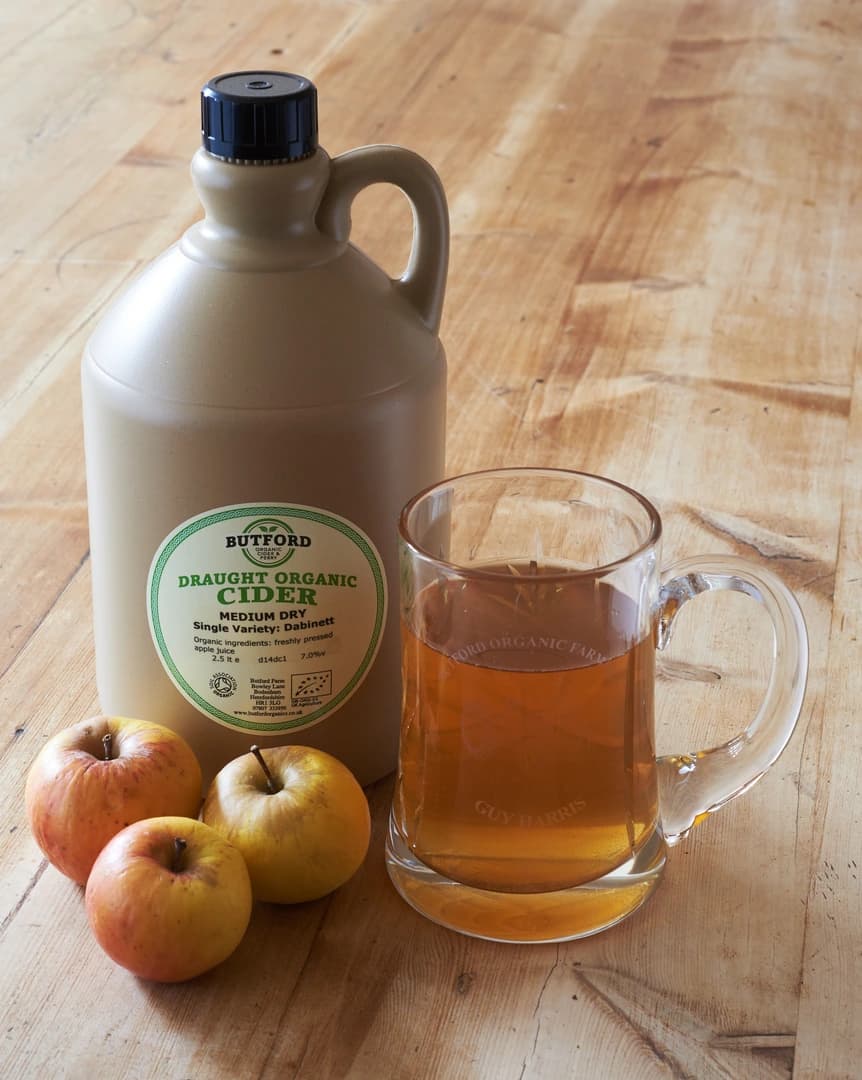
When it comes to the best apples for cider there is no individual variety which sticks out. While there are favourites among cider makers such as Yarlington Mill, Dabinett, Kingston Black, and Brown snout. The best cider ultimately comes down to the skills and craft of the cider maker. At Butford Organics we even blend some of these varieties together to get the best of all worlds!
However, even with this said you wouldn’t want to accidentally eat a cider apple or make cider with a cooking apple. In this guide we will cover all aspects of cider apples with how and why they are chosen.
Top 10 Cider Apple Varieties
Choosing the right apples is crucial for crafting exceptional cider. Here are the top 10 varieties, each offering unique characteristics that contribute to the cider’s flavour, aroma, and overall quality.
Apple Varieties for Cider
Apple Variety
Type
Characteristics
Best For
Dabinett
Bittersweet
High in tannins, well-balanced flavour
Single-varietal and blended ciders
Kingston Black
Bittersharp
High acidity and tannins, rich flavour
Vintage-quality single-varietal ciders
Granny Smith
Sharp
High acidity, tart flavour
Adding tartness to blends
Honeycrisp
Sweet
Crisp, sweet-tart flavor
Mellow, sweet cider blends
Yarlington Mill
Bittersweet
Fruity aroma, medium tannins
Blended and single-varietal ciders
Porter’s Perfection
Bittersharp
High acidity, vibrant flavor
Blending with other apples
Golden Delicious
Sweet
Mild, sweet flavor
Adding sweetness to blends
Wickson
Sharp
High sugar and acidity
Intense, flavorful ciders
Ashmead’s Kernel
Sharp
Bright acidic flavor, aromatic
Complex, flavorful blends
Medaille d’Or
Bittersweet
High tannins and sugars
Traditional French-style ciders
What Makes a Great Cider Apple?
To produce high-quality cider, it’s essential to understand the characteristics of ideal cider apples:
The Acidity which contributes to the tartness and freshness of the cider.
The Tannins which provide bitterness and astringency, adding complexity and body.
The Sugar Content which is necessary for fermentation and determining the cider’s sweetness.
See the Apples for yourself
For all this and more, we run cider tours and cider making courses on our farm where you can see in person exactly how we choose our apples, process them and turn them into lovely cider! We’ve had countless groups learn the exact steps and go on to make their own.
The Difference Between Cider Apples and Regular Apples
Cider apples and regular apples differ significantly in their intended use, flavour profiles, and chemical compositions. Cider apples are specifically grown for cider production and possess unique characteristics that make them unsuitable for eating fresh but ideal for fermentation. They are typically classified into three main categories: sweet, sharp, and bitter sharp, each contributing distinct flavours and qualities to the cider. Sweet cider apples are high in sugars, essential for fermentation, while sharp cider apples have high acidity, adding tartness and balance. Bitter sharp apples contain high levels of both tannins and acidity, providing complexity and astringency to the cider.
Cider Apples are a lot less delicate than regular apples too. Let’s just say you wouldn’t want to eat a regular cider apple.
On the other hand, regular apples, often referred to as dessert or table apples, are cultivated for fresh consumption. These apples, such as Honeycrisp and Gala, are bred for their sweetness, crisp texture, and overall palatability. They lack the high tannin and acid levels found in many cider apples, making them less ideal for producing the balanced flavours that good cider requires.
Popular Cider Apple Varieties
Sweet Varieties
Honeycrisp
Known for its crisp texture and sweet-tart flavour, Honeycrisp is excellent for adding a mild sweetness to cider blends.
Golden Delicious
With its mild, sweet flavour, Golden Delicious apples are perfect for balancing out more acidic or tannic apples in cider blends.
Tart Varieties
Granny Smith
High in acidity, Granny Smith apples add a refreshing tartness to cider, making them ideal for creating a balanced flavour profile.
Wickson
A small but highly acidic apple, Wickson is favoured for its intense flavour and high sugar content, which contribute to a robust cider.
Bittersweet Varieties
Dabinett
This classic English cider apple offers a well-balanced flavour with high tannin content, making it suitable for both single-varietal and blended ciders.
Kingston Black
Known for its high tannin and acid levels, Kingston Black produces a rich, complex cider that can stand alone as a single-varietal.
Understanding Seasonal Availability
Knowing when specific apple varieties are available is essential for planning your cider production. We’ve broken down the apple season into three main periods:
Early Season: Varieties like Honeycrisp and Gala become available.
Mid Season: This is when you’ll find Granny Smith and Golden Delicious apples.
Late Season: Bittersweet varieties such as Dabinett and Kingston Black are harvested.
By understanding these seasonal patterns, we can ensure we have the right apples at the right time for our cider making.
Regional Cider Apple Preferences
Different regions have their preferred apple varieties for cider making. In Europe, particularly in England, Kingston Black and Dabinett are widely used in traditional ciders. These varieties are prized for their complex flavours and high tannin content.
In North America, we’ve noticed a preference for varieties like Honeycrisp, valued for its sweet-tart balance, and Granny Smith, known for its high acidity and tartness. These apples contribute to the crisp, refreshing character often found in American-style ciders.
Sourcing Apples for Homemade Cider
For those looking to make cider at home, sourcing high-quality apples is crucial. We recommend visiting local orchards and farmers markets. Fresh, locally grown apples often provide the best flavour and quality for cider making.
Farmers markets are excellent places to find a variety of apples and speak directly with growers. They can offer valuable insights into which apples are best suited for cider making.
For the truly dedicated, growing your own cider apples can be a rewarding experience. It’s important to select varieties that are well-suited to your local climate and soil conditions. Proper care and maintenance of your apple trees will ensure a healthy, productive orchard.
Tips for Selecting and Storing Cider Apples
When selecting apples for cider, we always look for ripe fruit free from defects. Bruised or rotten apples can negatively impact the flavour of your cider.
Proper storage is crucial to maintain the quality of your apples until you’re ready to use them. We recommend storing them in a cool, dark place. This helps preserve their flavour and prevents premature spoilage.